
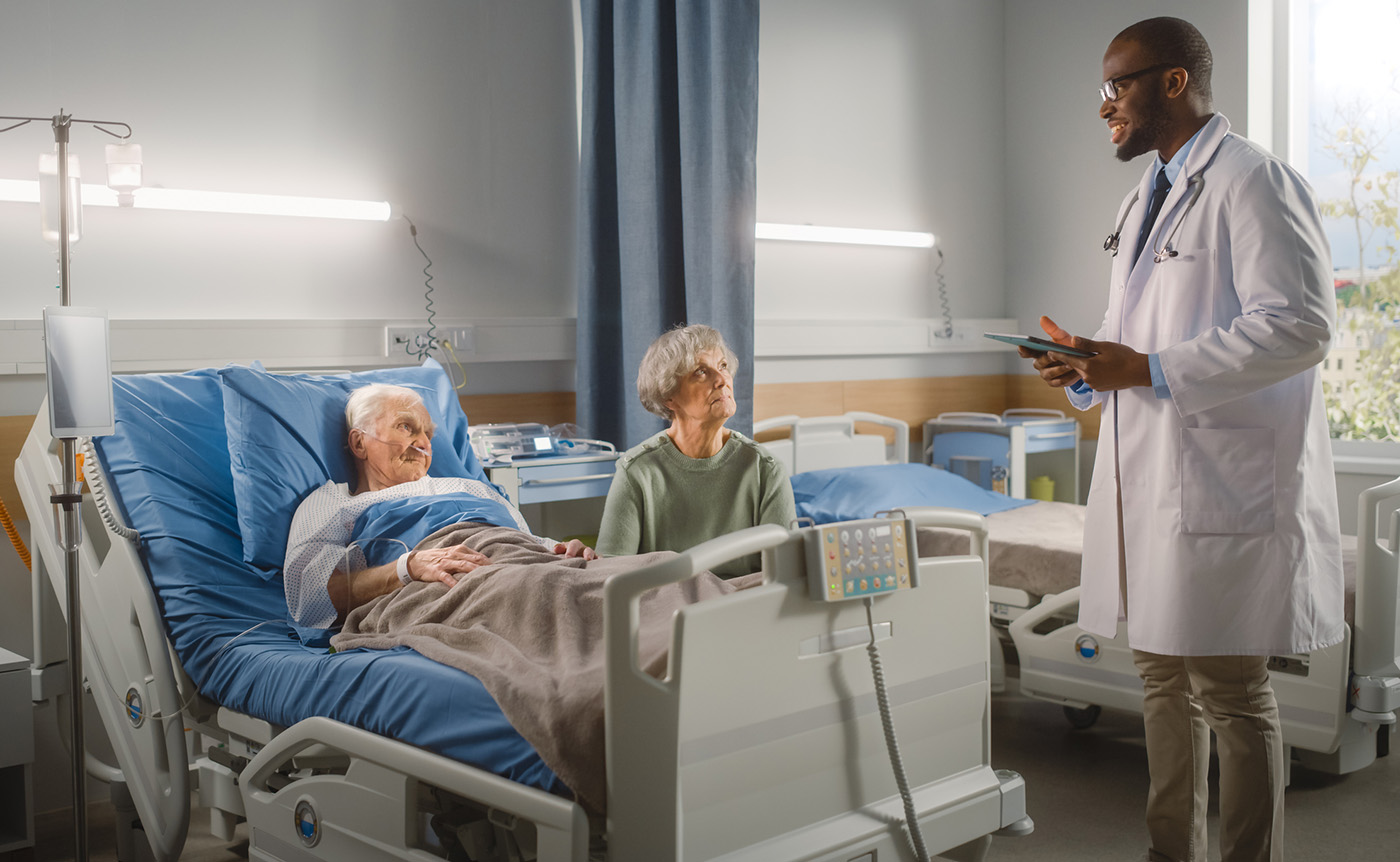
Ensuring patient safety in medical facilities is a multifaceted challenge that goes far beyond staffing protocols, equipment, and clinical procedures. One often overlooked but critically important factor is the choice and standardization of building and furnishing materials. The materials used in hospitals, clinics, and laboratories directly impact hygiene, durability, infection control, and overall patient safety.
Why Material Standards Matter in Healthcare
Hospitals and clinics are high-risk environments. Patients may have compromised immune systems, and medical staff handle infectious agents daily. Materials that fail under stress, harbor bacteria, or degrade over time can pose serious risks. Implementing material standards ensures that every surface and fixture in a medical facility meets stringent safety and hygiene criteria.
Key reasons material standards are essential:
- Infection control: Surfaces must resist microbial growth.
- Durability: Materials must withstand heavy use and repeated cleaning.
- Safety compliance: Fire resistance, chemical resistance, and impact safety reduce hazards.
- Long-term performance: High-quality materials reduce maintenance frequency and unexpected failures.
According to the World Health Organization (WHO), the design and material selection of healthcare facilities play a direct role in reducing hospital-acquired infections and improving patient outcomes.
Core Material Standards in Healthcare Facilities
Several international standards and guidelines inform the choice of building materials for healthcare settings:
- ISO 10993 Biocompatibility:
Materials in contact with patients, such as medical furniture or equipment casings, must not cause adverse reactions. - ASTM Standards:
Cover fire resistance, chemical resistance, and mechanical properties for building materials. - EN 16034 & EN 12150 (Europe):
Standards for fire-rated doors, safety glass, and impact-resistant glass products. - Joint Commission Guidelines (US):
Require durable, cleanable, and non-toxic surfaces throughout patient areas.
Using materials that meet these standards reduces liability and enhances patient confidence.
Glass in Healthcare: A Case Study in Safety
Glass is widely used in healthcare facilities from partitions and windows to shelving and tabletop surfaces. However, not all glass provides adequate safety and hygiene. Hospitals often require tempered or laminated glass because of its superior strength and safety profile.
Tempered glass is heat-treated to shatter into small, blunt fragments rather than sharp shards. This makes it ideal for:
- Windows in patient rooms and operating areas
- Partitions between treatment zones
- Shelving and display units in sterile environments
Incorporating certified tempered glass reduces injury risk while maintaining a clean, modern aesthetic. For example, high-quality tempered glass products designed for both durability and safety are available here offering reliable solutions for healthcare settings.
Glass Shelving for Hygiene and Functionality
Glass shelving is not only stylish but also highly practical in medical facilities. Its non-porous surface resists bacterial growth and allows easy sterilization. Shelving in laboratories, patient rooms, and pharmacies must be:
- Easy to clean with hospital-grade disinfectants
- Resistant to scratches, stains, and chemical exposure
- Structurally robust to support medical supplies
Modern glass shelving combines these safety features with minimalist design, improving both patient and staff satisfaction.
Flooring and Surface Materials
Patient safety is influenced by more than glass. Floors, walls, and countertops must be durable, cleanable, and non-slip. Key material considerations include:
- Vinyl flooring with antimicrobial coatings Reduces microbial spread in high-traffic areas.
- Seamless wall panels Prevent dirt accumulation in cracks or seams.
- Chemical-resistant work surfaces Essential for laboratories handling potent substances.
Durable, high-standard materials prevent trip hazards, contamination, and structural failure, all critical in a healthcare environment.
Fire Safety and Material Selection
Fire safety is another crucial aspect of material standards. Hospitals must balance functionality, aesthetics, and fire-resistance:
- Doors and partitions should be fire-rated to prevent rapid spread of flames.
- Smoke-resistant glass partitions maintain visibility while containing hazards.
- Upholstery and furnishings must meet flammability standards to protect patients and staff.
Using certified materials compliant with standards like EN 16034 (Europe) or NFPA 101 (US) ensures facilities meet legal safety requirements.
Infection Control and Hygiene
Material selection is directly tied to infection prevention. Surfaces that are porous, cracked, or difficult to disinfect contribute to hospital-acquired infections (HAIs). Standards prioritize:
- Smooth, non-porous surfaces for easy cleaning
- Durable coatings that withstand repeated chemical cleaning
- Seamless integration to eliminate dust or microbial traps
Hospitals with high-standard materials experience lower HAI rates, improving overall patient safety and reducing operational costs.
Durability and Maintenance Considerations
Even the safest materials fail if they degrade too quickly. Hospitals must consider:
- Wear resistance Floors, doors, and countertops face daily stress.
- Chemical resistance Surfaces must tolerate frequent cleaning with disinfectants.
- Structural integrity Shelving, tables, and partitions should resist bending or breakage over years of use.
Choosing materials that meet long-term durability standards ensures facilities remain safe and functional for decades, avoiding costly replacements and operational disruptions.
Emerging Trends in Safe Healthcare Materials
Modern healthcare facilities are adopting innovative materials and technologies:
- Antimicrobial coatings on glass and metal surfaces
- Smart glass for patient privacy and energy efficiency
- Sustainable building materials that reduce environmental impact while maintaining hygiene and strength
- Multi-functional modular furniture for flexible hospital spaces
These trends demonstrate that safety, longevity, and environmental responsibility can coexist with modern design.
Practical Guidelines for Healthcare Material Evaluation
- Verify Compliance Always check ISO, ASTM, EN, or local standards for each material.
- Assess Durability Choose materials that withstand mechanical, chemical, and environmental stress.
- Prioritize Safety Features Fire resistance, impact resistance, and antimicrobial properties are non-negotiable.
- Plan for Maintenance Long-term cleaning, sterilization, and repair requirements should guide selection.
- Document Material Certification Maintain records of compliance for audits and inspections.
Conclusion
Patient safety in medical facilities is inextricably linked to the quality and standards of materials used in construction and furnishing. From tempered glass partitions to durable, easy-to-clean shelving, adhering to internationally recognized standards reduces risk, improves infection control, and ensures long-term durability.
By prioritizing certified materials, healthcare facilities not only protect patients and staff but also maximize operational efficiency and compliance. Implementing robust material standards is not just a regulatory requirement, it is a strategic investment in safer, more sustainable, and more efficient healthcare environments.
Disclaimer
This article is for general informational purposes only and does not constitute professional, medical, or technical advice. Material standards and healthcare regulations may vary by region, so readers should consult qualified professionals and relevant authorities before making decisions. The author is not responsible for any outcomes resulting from the use of this information.
 AdpharmaConsultant