
Choosing the right orthodontic treatment for your teenager can feel overwhelming. With options like traditional braces and Invisalign clear aligners, many parents find themselves weighing aesthetics, effectiveness, cost, and lifestyle fit. While both treatments aim to achieve healthier, straighter smiles, the best choice often depends on your teen’s unique needs and habits.
Understanding the Basics: Braces vs. Invisalign
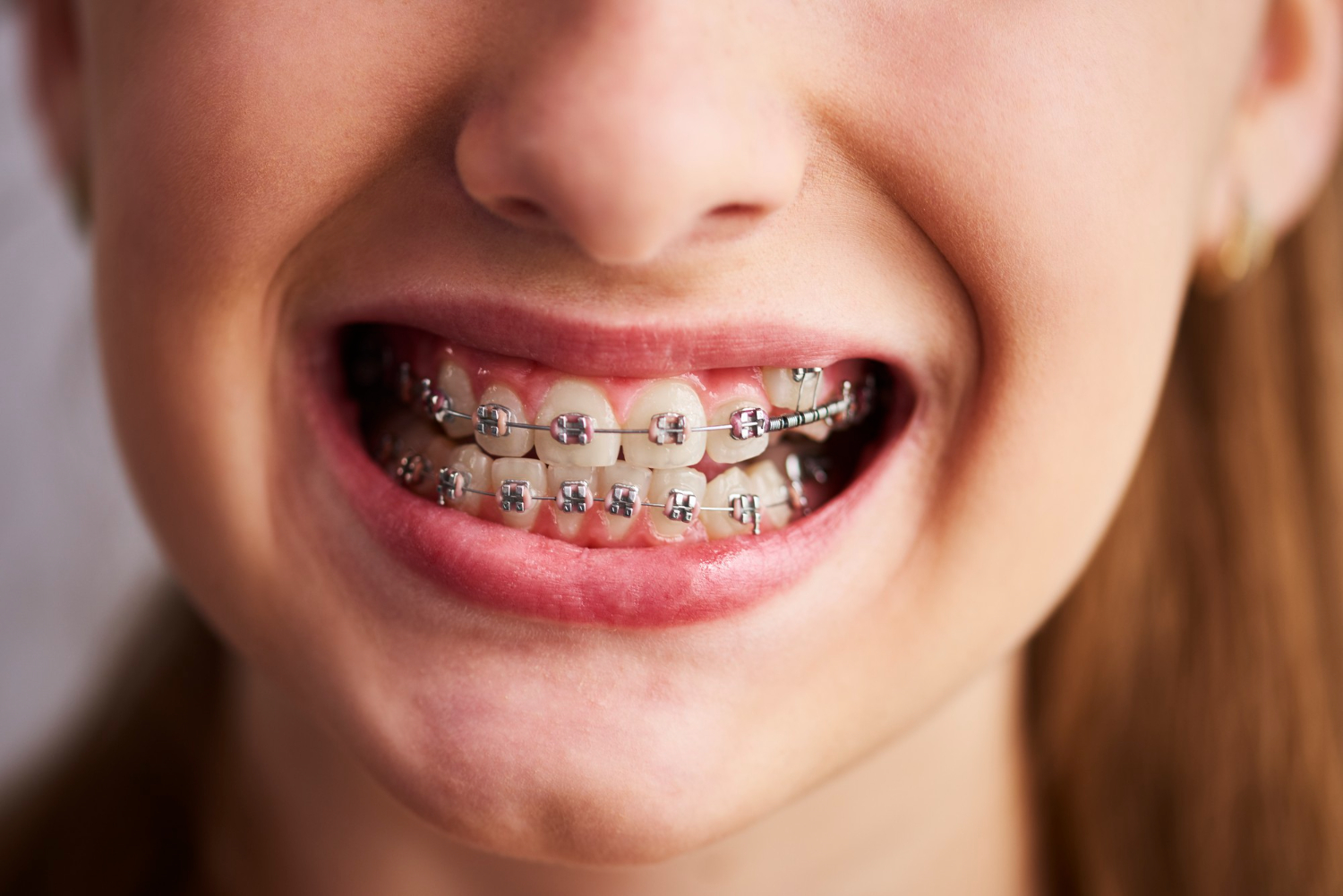
Before comparing the two, it’s important to understand how each option works. Traditional braces use metal or ceramic brackets attached to the teeth, connected by wires that are gradually tightened to shift teeth into alignment. They’ve been a trusted orthodontic solution for decades and are highly effective for a wide range of cases.
Invisalign, on the other hand, uses a series of custom-made, clear plastic aligners that your teen wears over their teeth. These aligners are removable and replaced every one to two weeks as teeth gradually move into position. Both approaches can deliver excellent results—but they do so in very different ways.
Effectiveness: Which Works Better?
One of the biggest concerns parents have is whether Invisalign is as effective as braces. Braces are generally more versatile. They can treat simple to complex orthodontic issues, including severe crowding, bite problems (like overbite or underbite), and significant misalignment. Because they are fixed in place, they apply continuous pressure, making them highly reliable.
Invisalign is ideal for mild to moderate cases. It has improved significantly over the years and can now address many issues that were once only treatable with braces. However, complex cases may still require traditional braces or a hybrid approach. Key takeaway: If your teen has more advanced orthodontic needs, braces may be the safer and more predictable option. For less complex cases, Invisalign can be just as effective—if used properly.
Lifestyle and Comfort: What Fits Your Teen’s Routine?
Teenagers are active, social, and often concerned about appearance. This is where Invisalign tends to stand out.
Appearance
Invisalign aligners are virtually invisible, making them appealing for teens who may feel self-conscious about wearing braces. Braces, while more noticeable, now come in less conspicuous options like ceramic or tooth-colored brackets.
Comfort
Invisalign aligners are made of smooth plastic, which generally causes less irritation to the cheeks and gums compared to metal brackets and wires. Braces can sometimes cause discomfort, especially after adjustments.
Convenience
Invisalign aligners are removable, allowing teens to eat, brush, and floss without restrictions. Braces, however, require avoiding certain foods (like sticky or hard snacks) and involve more careful oral hygiene routines.
Key takeaway: Invisalign offers more flexibility and comfort, but it requires responsibility. If your teen is likely to forget wearing aligners or misplace them, braces may be the better option.
Responsibility and Compliance
This is one of the most overlooked—but critical—factors.
Invisalign must be worn for 20 to 22 hours per day to be effective. That means your teen needs to consistently wear them, remove them only for meals and cleaning, and keep track of each set.
Braces, by contrast, are fixed. Once they’re on, there’s no risk of forgetting to wear them.
Ask yourself:
- Is your teen responsible enough to follow instructions daily?
- Will they keep track of aligners and avoid losing them?
- Are they motivated to complete treatment?
Key takeaway: Invisalign works best for disciplined teens. Braces are more “set-it-and-forget-it,” reducing the risk of non-compliance.
Treatment Time: Which Is Faster?
Treatment time varies depending on the complexity of the case, but generally:
- Braces: 18–24 months (sometimes longer for complex issues)
- Invisalign: 12–18 months for mild to moderate cases
Invisalign can be faster in certain situations, especially when fewer adjustments are needed. However, if aligners aren’t worn consistently, treatment can take longer than expected.
Key takeaway: Invisalign may offer a shorter timeline—but only with proper use.
Oral Hygiene and Dental Health
Maintaining good oral hygiene during orthodontic treatment is essential. With braces, food can get trapped around brackets and wires, increasing the risk of plaque buildup, cavities, and gum issues if not cleaned properly. Invisalign makes brushing and flossing easier since aligners are removed during oral care routines. This can lead to better overall dental hygiene during treatment. However, aligners must be cleaned regularly, and teeth should be brushed before reinsertingthem to avoid trapping bacteria.
Key takeaway: Invisalign supports easier hygiene, but both options require consistent care and good habits.
Cost Considerations
The cost of Invisalign and braces is often comparable, though it can vary depending on the complexity of treatment, location, and provider.
In many cases:
- Braces may be slightly less expensive for complex cases
- Invisalign may have similar or slightly higher costs for mild to moderate cases
Insurance coverage and payment plans can also influence the overall cost.
Key takeaway: Don’t assume one option is significantly cheaper—focus on value and outcomes instead.
When to Consult an Orthodontist
Every teen’s dental structure is different, and a professional evaluation is essential before making a decision.
An experienced orthodontist will assess:
- Teeth alignment and spacing
- Bite issues
- Jaw development
- Lifestyle factors and compliance likelihood
They can then recommend the most appropriate treatment plan tailored to your teen.
If you’re exploring options, consulting a trusted provider such as the best orthodontist in Washington DC can give you clarity on what will work best for your child’s specific needs.
Final Decision: What Should Parents Prioritize?
When choosing between Invisalign and braces, it helps to think beyond just appearance.
Choose braces if:
- Your teen has complex orthodontic issues
- You’re concerned about compliance
- You want a reliable, hands-off approach
Choose Invisalign if:
- The case is mild to moderate
- Your teen is responsible and motivated
- Appearance and flexibility are top priorities
Final Thoughts
Both Invisalign and braces are highly effective tools for improving your teen’s smile and long-term oral health. The right choice depends on a combination of clinical needs and personal factors.As a parent, your role is to balance practicality with your teen’s preferences—ensuring that whichever option you choose sets them up for success, not just during treatment, but for years to come. A thoughtful, informed decision today can lead to a healthier, more confident smile tomorrow.
Disclaimer
The information provided in this article, “Invisalign vs. Braces for Teens: A Practical Decision Guide for Parents,” is intended for general informational and educational purposes only. It should not be considered as professional medical, dental, or orthodontic advice.
While every effort has been made to ensure the accuracy and relevance of the content, we do not guarantee the completeness, reliability, or applicability of the information for any individual case. Orthodontic needs can vary significantly from person to person, and treatment outcomes depend on a variety of clinical and behavioral factors.
 John
John