
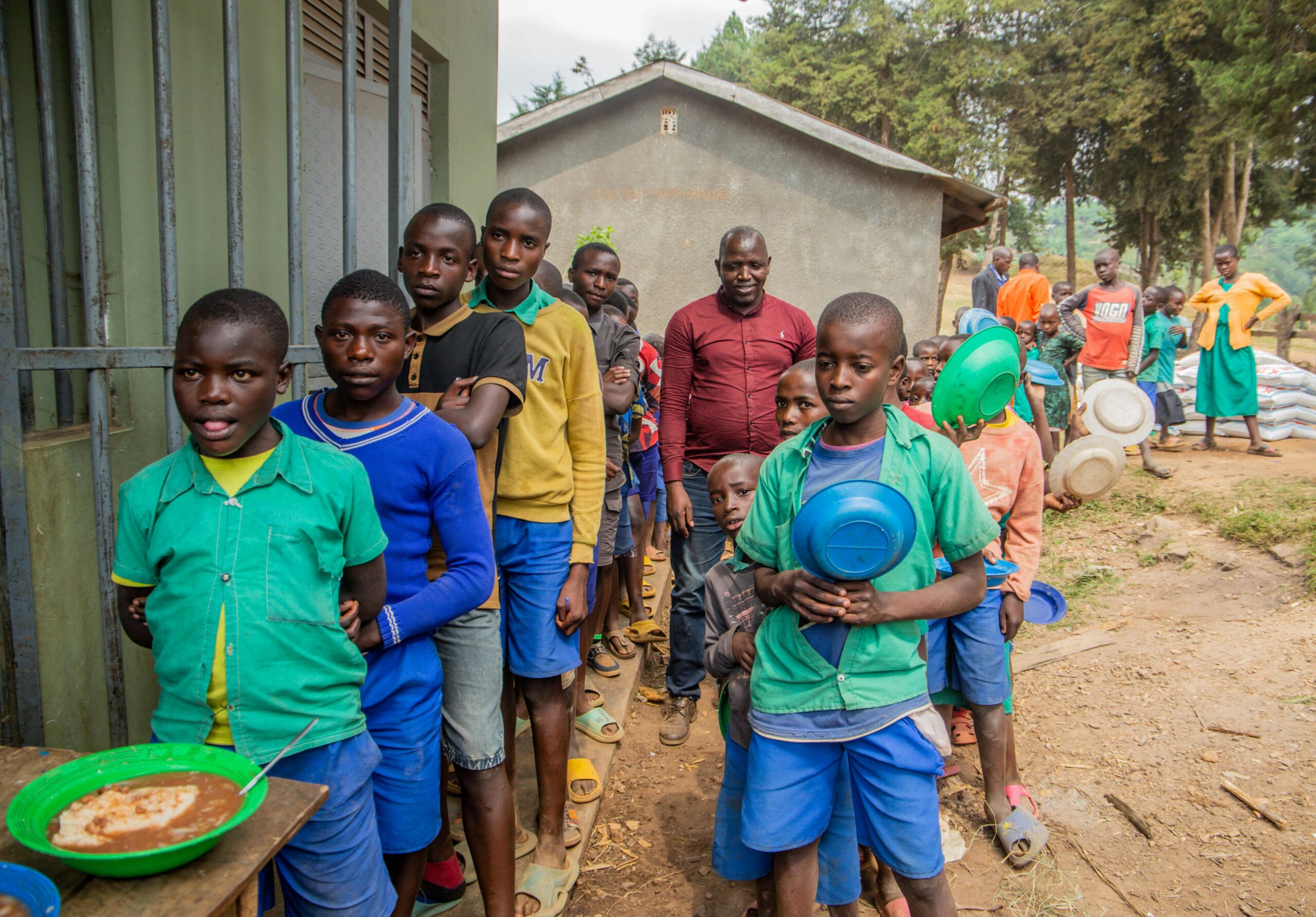
Food security sounds like something that belongs in reports and policy discussions. On the ground, it’s much simpler and harsher. It looks like repetitive meals, low energy, and people taking longer than they should to recover from basic illnesses.
There’s enough global data backing this up. The World Health Organization continues to associate undernutrition with a large share of child health complications. What’s changed recently isn’t just the number of cases; it’s the consistency. Food might be available in a country, even in a city, but that doesn’t mean it’s accessible in any reliable way.
The Nutrition Gap
It’s easy to assume food insecurity means empty plates. That’s not always the case. In many places, people eat every day. The issue is what those meals look like. Diets lean heavily on whatever is cheapest, such as rice, wheat, and basic grains. They do the job in terms of calories, but that’s about it.
What’s missing tends to be the same everywhere: protein, iron, vitamins. Not completely absent, just inconsistent enough to cause problems over time. Fatigue becomes normal. Immunity weakens gradually. For children, the impact is harder to reverse.
The Food and Agriculture Organization has already highlighted how many people simply cannot afford a balanced diet. That gap doesn’t just affect health; it shapes how people function day to day.
Why Old Models Don’t Hold Up Anymore
Food aid used to be straightforward. A crisis happens, support is sent, and pressure is reduced. Then things go quiet again. The problem is that nothing really stabilises. The same cycle repeats.
More recent approaches are trying to be less reactive. Instead of one-off responses, there’s more structure, such as timing distributions around periods when they’re actually needed and more likely to reach people properly.
Also, there’s a shift in mindset. It’s not just about how much food moves to the needy people, but what kind of food moves. That sounds obvious, but it wasn’t always the focus.
Protein: The Gap That Gets Ignored
When money is tight, diets adjust. And protein is usually the first thing to go. It’s more expensive, less available, and easy to treat as optional. Except it isn’t. Without it, recovery slows, strength drops, and small health issues start lingering. In some areas, meat isn’t part of regular meals at all. For many families, it’s rare and eaten once in a while.
That’s why certain initiatives focus specifically on protein access during defined periods. It’s not a complete fix, but it interrupts the pattern, even if briefly. In that context, Qurbani 2026 serves a very specific role. It provides access to protein at a time when many households would otherwise go without it entirely.
Distribution: Where Things Usually Break
Having resources is one thing. Getting them where they need to go is something else. Breakdowns happen more often than expected, such as delays, coordination issues, and infrastructure gaps. Sometimes the supply exists, but the delivery doesn’t follow through properly.
There’s been some improvement. Tracking systems are better. Oversight is tighter. Donors are asking more direct questions now, such as where things come from, how they’re handled, and what actually reaches people. That level of scrutiny used to be limited to sectors like pharmaceuticals. It’s slowly becoming standard in aid as well.
Health and Nutrition Aren’t Separate
They’re often treated that way, but in practice, they overlap constantly. People who are malnourished are more susceptible to disease. Recovery takes longer. Healthcare systems take on more pressure than they should.
Even modest dietary changes can have a significant impact in areas where access to healthcare is already restricted. Not significant, but sufficient to lessen recurring health problems and consequences. It’s a quieter kind of impact, but it adds up.
What Actually Moves the Needle
Short-term aid will always be necessary. There’s no way around that. But on its own, it doesn’t change much long term.
Progress tends to come from combining things, such as supporting local food systems, improving awareness around diet, and building some level of independence so communities aren’t constantly relying on external help.
There’s also more coordination now than before. NGOs, governments, private groups, more overlap, more shared effort.
Final Thought
There’s a gradual shift happening, but it’s uneven. More attention is being given to nutrition, not just food volume, but the gap is still there.
Because in practice, eating enough doesn’t guarantee better health. And until that changes, the underlying problem doesn’t really move.
 John
John