
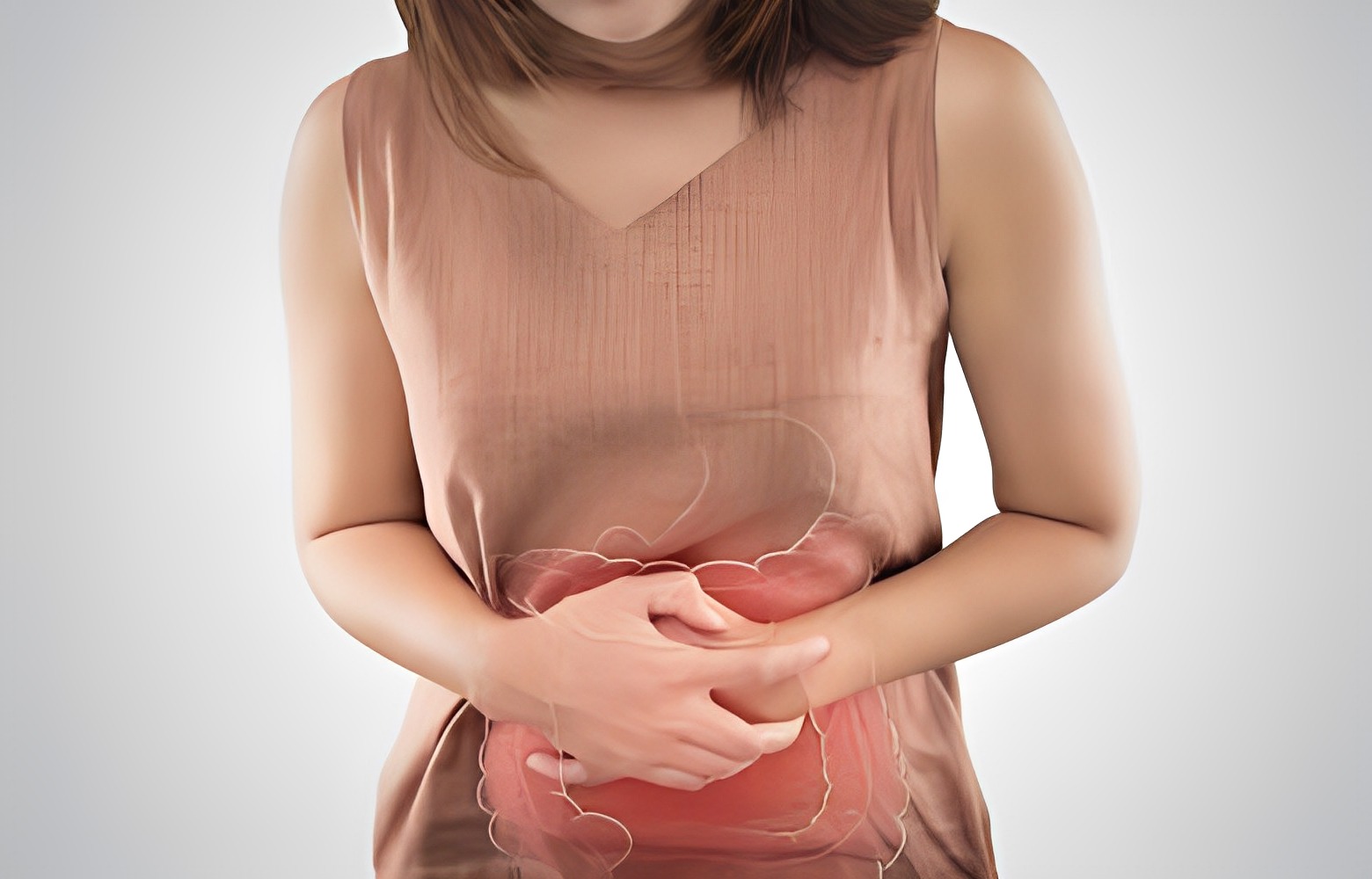
Constipation is one of those topics no one loves to talk about — yet almost everyone experiences it at some point. Long bathroom visits, straining, bloating, and that frustrating feeling of not being “fully done” can make daily life uncomfortable.
While diet, hydration, and lifestyle play major roles, there’s another factor people often overlook:
Your toilet posture.
The way you sit on the toilet can either support your body’s natural elimination process — or quietly work against it.
Let’s explore why the squatting position has gained so much attention and how a simple posture shift may help make constipation relief easier.
Why Sitting Isn’t Always the Best Position
Modern toilets encourage a chair-like seating posture: back upright, knees at a 90-degree angle.
Comfortable? Sure.
Optimal for bowel movements? Not always.
Inside the body, there’s a key muscle called the puborectalis. Think of it like a safety kink in a hose: it helps keep stool from passing until you’re ready. When you sit in a straight, chair-like position, that kink remains partially engaged — which means you may need to push harder to go.
That pushing leads to:
- Straining
- Longer time on the toilet
- Greater pressure on hemorrhoids
- Discomfort afterward
Over time, frequent straining can become a habit — and constipation becomes a cycle.
How a Squatting Position Changes the Angle
When you move into more of a squatting posture, something important happens.
Your knees lift closer to your chest, your hips tilt forward, and the puborectalis muscle relaxes more fully. This straightens the rectal canal and allows gravity to assist rather than resist.
In simple terms:
Less pushing
More natural flow
Shorter, easier bathroom visits
You don’t need to fully squat on top of the toilet. Even gently raising the feet to lift the knees above hip level can help mimic the same body angle.
What About Toilet Stools?
Most people can’t (and shouldn’t) balance in a true squat over a toilet. That’s where toilet stools come in.
Placed in front of the toilet, they:
- Elevate the feet slightly
- Create a smoother hip-to-rectum alignment
- Encourage relaxation instead of straining
This makes the position feel natural, supportive, and safe — without remodeling the bathroom or learning acrobatics.
Many families and digestive specialists now recommend posture-assisting The Squatty Potty Australia stools as part of a healthy bathroom routine.
Posture Isn’t Everything — But It Helps
To be clear, constipation can be caused by multiple factors:
- Low fiber intake
- Not enough fluids
- Sedentary lifestyle
- Stress
- Certain medications
- Medical conditions
Better posture won’t “cure” every cause, but it can remove one big barrier that makes going harder than it needs to be.
Pair posture with these gut-friendly habits:
- Drink water regularly
- Eat fiber gradually (fruits, vegetables, whole grains, legumes)
- Move daily — even walking helps digestion
- Don’t ignore the urge to go
- Give yourself time instead of rushing
If constipation is severe, painful, or persistent, always speak with a healthcare professional — your body may be signaling something important.
A Small Change, A Big Difference
Constipation relief doesn’t always require dramatic solutions.
Sometimes, it begins with understanding how the body is designed and working with it, not against it.
By gently shifting toward a squatting-style posture, many people find:
- Less strain
- Less discomfort
- More complete bowel movements
- A calmer, more comfortable bathroom routine
It’s a simple habit — but one that can make everyday life feel lighter, healthier, and far less stressful.
Disclamer
The information provided in this article is for educational and informational purposes only and is not intended as medical advice. While the article discusses ways to potentially improve bowel movements through toilet posture, it should not replace consultation with a qualified healthcare professional. If you experience severe, persistent, or painful constipation, or have any concerns about your digestive health, please seek medical attention promptly. Individual results may vary, and the use of posture-assisting tools or techniques should be done safely and according to manufacturer instructions.
 John
John