
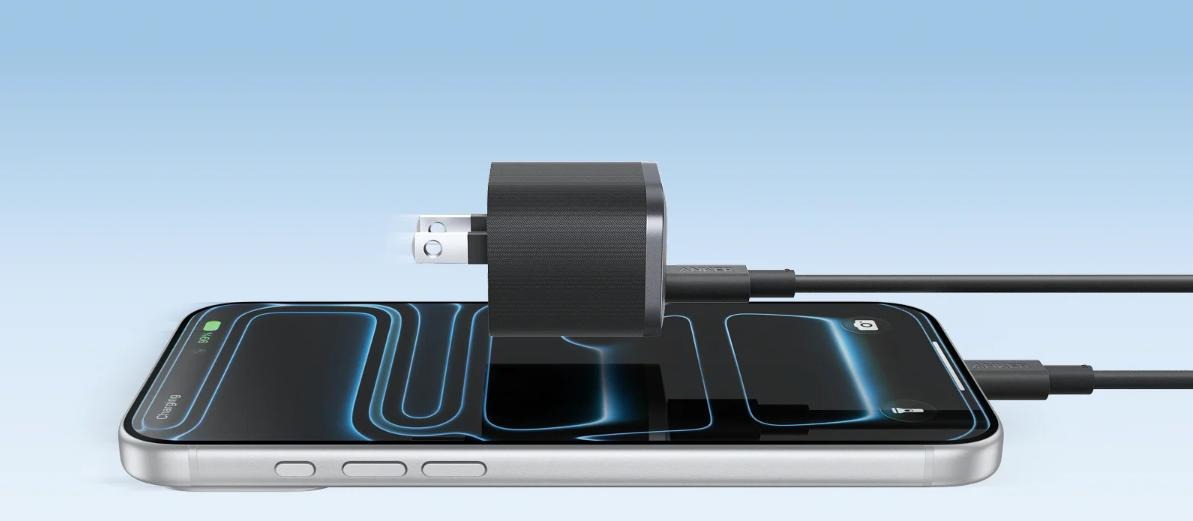
Understanding charger wattage is essential for anyone who relies on electronic devices every day. From smartphones to tablets and laptops, the right charger can save time and protect your device’s battery. Many people overlook wattage when purchasing a charger, which can lead to slower charging or unnecessary heat buildup. Knowing how to interpret wattage ensures safe and efficient device use. In this article, we explain how charger wattage affects performance and provide guidance for selecting the right charger for your daily needs.
Wattage 101: The Basics of Power Delivery
Voltage x Amperage = Wattage: The Power Formula
Wattage is a measure of electrical power and is calculated by multiplying voltage by amperage. This simple formula helps determine how much energy a charger can deliver to your device over time. Higher wattage allows more power to flow, which can reduce charging times for compatible devices. Understanding this relationship is crucial for everyday users who want efficient charging. Being familiar with the basics empowers you to make informed choices without technical confusion.
Higher Wattage Means More Potential Power
A charger with higher wattage can theoretically deliver more power, but the device itself controls how much it draws. This means even a high-wattage charger is safe for smaller devices because they will only pull the energy they need. Many people assume a bigger number automatically charges faster, but compatibility is the key factor. Using a charger with sufficient wattage ensures efficient charging without overloading your device. Over time, this understanding helps protect the battery and improves daily convenience.
How Wattage Directly Affects Charging Speed?
Matching Your Device’s Maximum Wattage
Each device is designed to accept a specific maximum wattage for optimal charging. Using a charger that matches this maximum ensures your phone, tablet, or laptop charges at its fastest safe rate. Overloading the device is usually prevented by internal circuitry, but underpowered chargers can lead to frustration and wasted time. Paying attention to maximum wattage keeps your charging experience efficient and reliable. Even small differences in wattage can have a noticeable effect during busy daily routines.
Why Using a Low-Wattage Charger Slows You Down
Low-wattage chargers deliver less energy, resulting in longer charging times. For users who rely on their devices for work or entertainment, this can be disruptive. Slow charging often becomes noticeable during travel, long meetings, or overnight charging. Choosing the correct wattage eliminates these inefficiencies. Being aware of this simple fact helps users avoid unnecessary frustration and ensures devices are ready when needed.
The “More Than Enough” Rule: Is a Higher Wattage Charger Safe?
Your Device Controls the Power Draw
Modern devices manage the amount of power they accept, so using a higher-wattage charger does not automatically harm them. The phone or tablet draws only what it can handle safely. This allows users to buy a charger that can be used across multiple devices without risk. Understanding this principle makes investing in a higher-wattage charger more practical and worry-free. Users gain the flexibility to charge future devices without constantly buying new chargers.
The Benefits of a Future-Proof, High-Wattage Charger
Investing in a high-wattage charger can be convenient for years to come, as new devices often require more power. A charger that exceeds your current needs ensures compatibility with future devices. In daily life, it reduces the need to purchase multiple chargers and simplifies home or office setups. For example, choosing an iphone 16 charger from Anker provides both reliability and peace of mind for multiple devices. Future-proof chargers combine efficiency, safety, and convenience in one product.
Choosing the Right Wattage for Your Devices
Smartphones, Tablets, and Laptops: Common Wattage Ranges
Different devices require varying amounts of power to charge efficiently. Smartphones often need between 18–30W, tablets around 30–45W, and laptops anywhere from 45–100W or more. Understanding these ranges allows users to pick a charger that meets each device’s needs without overpaying for unnecessary power. Using a charger within the correct range ensures safe operation and consistent performance. This knowledge is especially useful in households with multiple devices sharing the same charger.
Reading Your Device’s Specifications for the Best Match
Most devices list their recommended input wattage in the manual or settings menu. Checking these specifications prevents compatibility issues and helps select a charger that maximizes speed and safety. Many users overlook this step, assuming any charger will do, which can reduce charging efficiency. Matching the device to the correct wattage minimizes heat buildup and battery stress. Paying attention to the specifications makes daily charging predictable, safe, and reliable.
Conclusion
Charger wattage is more than a technical number—it directly affects charging speed, battery health, and overall convenience. Understanding how wattage works, matching it to your device, and considering future needs ensures reliable and efficient charging. Investing in quality chargers, like those from trusted brands, protects your devices and reduces frustration. With the right knowledge, everyday users can make informed decisions that save time, money, and stress. Choosing the correct charger ensures your devices remain ready and safe for all daily tasks.
Disclaimer
The information provided in this article is intended for general informational and educational purposes only. While every effort has been made to ensure the accuracy and reliability of the content, charger specifications, device requirements, and charging technologies may vary by manufacturer and model and can change over time. This article does not constitute professional, technical, or electrical advice.
Readers should always refer to their device manufacturer’s official guidelines and specifications before purchasing or using any charger or power accessory. The mention of specific brands or products is for illustrative purposes only and does not imply endorsement or guarantee of performance. The author and publisher are not responsible for any damage, malfunction, or loss resulting from the use or misuse of the information contained in this article. Always use chargers and accessories that meet recognized safety standards and are compatible with your device.
 John
John