
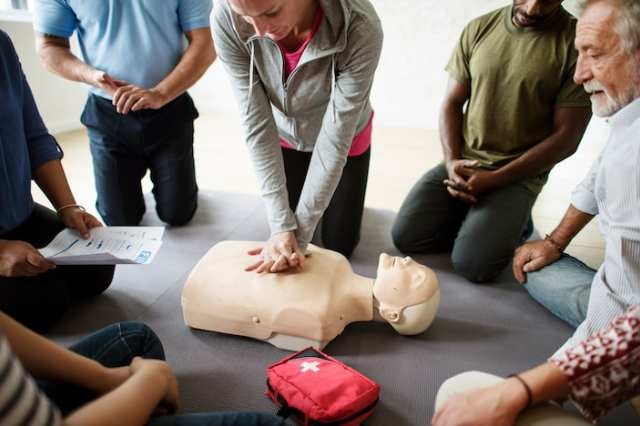
You might think basic good sense and a mobile phone will be enough. You will find that certified training rewrites that assumption. Paediatric first aid certification teaches you how to assess breathing, manage choking, deal with head injuries and give emergency CPR tailored to infants and children. The techniques differ from adult first aid in timing, pressure and priorities, and those differences will sit in your muscle memory after a well run course.
Beyond the hands on, certification signals something else. Employers will see that you have formal preparation. Parents will feel reassured when they know you are trained. In settings where children are entrusted to your care you will not only act: you will communicate with clarity, log incidents correctly and follow procedures that reduce future risk. People notice the steadiness that comes from practice, like a calm voice in a busy room.
There is also a personal logic. When you hold certification you will make better on the spot decisions and you can avoid improvised techniques that might cause harm. The training gives you scenarios and role play so that you can rehearse responses. That rehearsal is useful: it moves decision making from panic into habit.
Legal Requirements And Who Needs Certification
Rules can vary by setting and the sector will expect different things. For early years settings in England, for example, the Early Years Foundation Stage requires at least one person with a full paediatric first aid certificate to be on site when children under five are present. Schools, childminders and nurseries will often have their own policies that go beyond the minimum.
If you work directly with children you will usually be expected to hold current certification. You will find that local authorities, inspectors and employers check certificates and their expiry dates. Volunteers who supervise children on trips or during activities may also be required to produce proof of training. In the case that a regulator inspects a setting, missing or expired certificates can lead to enforcement actions or at least questions that you would rather avoid.
Certification can also matter in informal roles. If you run a community sports club or babysit regularly, having recognised training will protect your confidence and might influence insurance cover. Carrying a certificate changes perceptions: it changes expectations about how quickly you will act and how you will document what happened.
Types Of Courses And Accredited Providers
Course formats vary and you will choose according to time, budget and your role. There are intensive one day courses, two day courses that include more practice, and blended options where online theory precedes face to face practical sessions. Accreditation matters: take a course that follows recognised standards and includes supervised practical assessments.
When you pick a provider think about quality of tutors and the opportunities to practise skills. Look for small group sizes so that you will get hands on time and individual feedback. Good courses will give you realistic scenarios, such as dealing with a seizure at nursery pick up or managing a significant bleed on a school trip. Those scenarios stick with you in a way that a slide deck will not.
Recognised Course Standards And Accrediting Bodies
You should check for courses aligned to nationally recognised frameworks. Organisations like Ofqual regulated awarding bodies set standards for assessment and certificate validity. Other respected accrediting bodies include the Royal Society for the Prevention of Accidents and established awarding organisations that list approved syllabuses. Providers will usually display the accreditor on their materials and you will see the expected learning outcomes and assessment methods.
Providers: Voluntary, Commercial And Charity Organisations
Training comes from three broad sources. Voluntary and charity organisations often deliver community courses at lower cost and they sometimes prioritise accessibility. Commercial trainers operate city based centres and in house training for schools and businesses: they will often manage booking and certificate administration for groups. Then there are established charities and national bodies that run consistent syllabuses and are well recognised by employers. Each provider type has strengths and you will want to balance convenience, reputation and the learning environment.
What A Paediatric First Aid Course Covers
A quality course blends practical drills with decision making and communication practice. Expect clear demonstration, repeated practice and opportunities to ask awkward questions.
Core Practical Skills And Emergency Interventions
You will practise airway management, child and infant CPR, recovery position adapted for children, and techniques for relieving choking. The training will guide you through rapid assessment, what to check first and how to prioritise actions. You will learn to control bleeding, manage burns and treat suspected fractures with an emphasis on pain relief and safe movement. Scenarios will place you under time pressure so that you build the habit of quick, methodical action.
Non‑Clinical Topics: Risk Reduction, Recordkeeping And Communication
Courses also cover softer skills that matter. You will learn how to reduce everyday risks around toys, furniture and transport. Recordkeeping receives attention because accurate incident logs are often crucial for follow up and for legal clarity. And communication is practised, how to reassure a distressed parent, how to brief emergency services, and how to hand over information to colleagues. Those conversations will likely shape the outcome as much as the clinical skills you apply.
How To Maintain Certification And Continuing Professional Development
Certification is not a ticket you buy once and forget. Most certificates expire after three years and you will be expected to refresh skills before that date. Refresher courses vary in length and focus but they aim to top up practical ability and update you on guideline changes.
Renewal, Refresher Courses And Recording CPD
Plan your renewal. Book a refresher with enough time to avoid gaps in cover and choose sessions that emphasise practical assessment. Keep a simple CPD log where you will note course dates, what you practised and any relevant workplace incidents that taught you something new. Short workshops, scenario drills and shadowing experienced first aiders can count as professional development and you will find that employers value a well kept record.
If guidance changes you should expect updates from your provider or employer. You will be well placed if you stay connected to a professional network, subscribe to authoritative updates and schedule annual refreshers even when your certificate remains valid. Small, regular practice sessions with colleagues will keep reactions sharp and make sure that on a difficult day your hands know what to do.
Covering Some Last Points
When you pursue UK paediatric first aid certification choose a course that gives you repeated practice and clear assessment. You will want a provider with a good reputation and an accreditor you recognise. Keep a calendar reminder for renewal and treat small drills at work as part of your routine. If you are responsible for children, certification will affect how you act under pressure and how others see your competence.
A final thought. Skills fade if unused but confidence can be cultivated. You will keep both alive by choosing realistic training and keeping contact with peers who practise regularly. That combination will help you stay ready for the moment that needs steady hands and a calm voice.
 John
John