
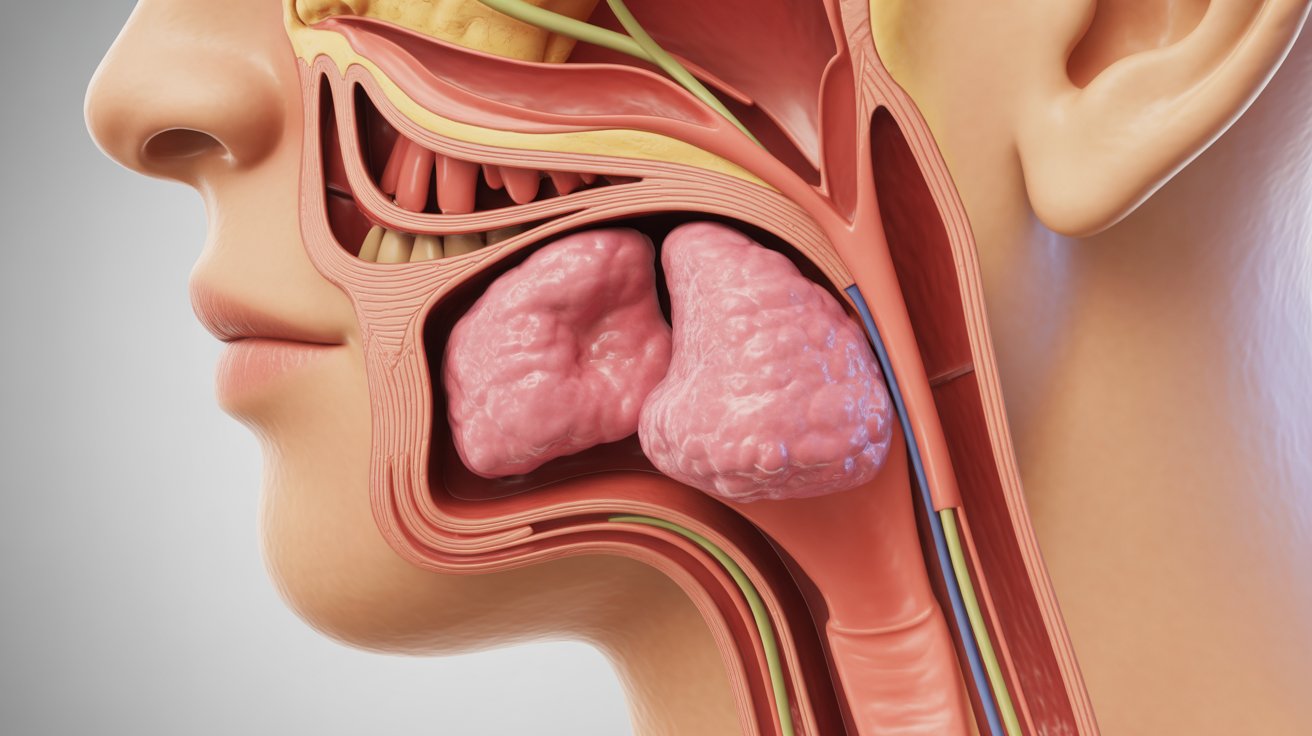
Imagine a small, often-overlooked part of your body playing a big role in defending you against germs. This tiny player is known as the adenoid. Nestled at the back of your nasal cavity, adenoidid function like vigilant sentinels, constantly on guard to protect your immune system.
While most people have heard of tonsils, many may not be aware of their counterpart—the adenoids. These lymphoid tissues may seem insignificant when compared to other parts of our anatomy, yet they are crucial for maintaining our health and well-being.
In this comprehensive guide, we’ll explore what they are, their essential functions in the immune system, common issues they cause, diagnosis methods, treatment options, and how to maintain their health. Whether you’re an adult curious about your own anatomy or a parent looking out for your child’s well-being, understanding these little glands can lead to better health outcomes.
What Are Adenoidid and Where Are They Located?
It is a term commonly used to describe problems related to the adenoids, small masses of lymphoid tissue located at the back of the nasal cavity. These tissues are part of the body’s immune system and play a crucial role in defending against bacteria and viruses that enter through the nose and mouth.
Exact Location
Adenoids are positioned in the nasopharynx, the area where the nasal passages meet the back of the throat. They rest on the roof of the throat, just above the soft palate. Unlike tonsils, adenoids are not visible through the mouth and require special medical instruments to examine.
Relation to Tonsils
Adenoids are part of Waldeyer’s ring, a protective circle of lymphoid tissues in the upper airway. While tonsils (palatine tonsils) are located at the back of the throat and are visible, adenoids (pharyngeal tonsils) sit higher up and work in tandem with tonsils to trap pathogens and produce antibodies.
Development Timeline of Adenoidid
- Grow the largest between ages 2 and 6 years, when children are most vulnerable to infections.
- Shrink gradually during adolescence.
- Often disappear completely by adulthood as the immune system develops alternative defense mechanisms.
Understanding their location and function is important because, although they are small, adenoids play a vital role in immune development, particularly in childhood.
Functions of Adenoidid in the Immune System
It acts as a first line of defense in the immune system. These tissues trap harmful bacteria and viruses that enter through the nose and mouth, producing antibodies to help fight infections.
Key Functions
- Pathogen Filtration: Adenoids filter out airborne germs before they enter the respiratory tract.
- Antibody Production: Helps the immune system recognize and respond to pathogens.
- Immune Memory Development: Aid in creating long-term immune memory, improving future responses to infections.
- Respiratory Health Support: Monitor airborne irritants and allergens, limiting respiratory infections.
During early childhood, adenoids are crucial for developing a robust immune system. However, as children grow, their role diminishes because other lymphoid tissues take over the immune defense function.
Common Issues with Adenoidid
While adenoids are essential, they can sometimes cause problems. The term adenoidid usually refers to enlargement (hypertrophy) or inflammation (adenoiditis) of these tissues.
Adenoid Hypertrophy (Enlargement)
Adenoidal hypertrophy occurs when the adenoids grow beyond their normal size. This enlargement is common in children and can result from:
- Recurrent infections causing chronic swelling
- Allergic reactions trigger inflammation
- Genetic factors influencing adenoid size
Symptoms of enlarged adenoids:
- Persistent mouth breathing
- Nasal obstruction
- Snoring or noisy breathing
- Sleep apnea
- Recurrent ear infections
Adenoiditis (Inflammation / Infection) of Adenoidid
Adenoiditis is the inflammation of the adenoids, often triggered by viral or bacterial infections.
Causes:
- Viral: Common cold, influenza, adenovirus, rhinovirus
- Bacterial: Streptococcus species, requiring antibiotics
Symptoms:
- Sore throat
- Fever
- Swollen neck glands
- Nasal congestion and discharge
- Ear pain or fullness
- Difficulty swallowing
- Nasal-sounding speech
Recurrent Infections of Adenoidid
Because adenoids trap bacteria and viruses, children with enlarged adenoids may experience:
- Chronic ear infections (otitis media)
- Recurrent sinusitis
- Frequent throat infections
Allergy-Related Inflammation
Environmental allergens, such as dust, pollen, or pet dander, can cause chronic adenoid inflammation, leading to long-term nasal obstruction and breathing issues.
Signs and Symptoms Table
| Symptom | Description / Effect |
| Mouth Breathing | Due to blocked nasal passages; can cause dry mouth |
| Snoring / Noisy Breathing | Obstructed airway during sleep |
| Sleep Apnea | Pauses in breathing at night; poor sleep quality |
| Ear Pain / Fullness | Blocked eustachian tubes; possible hearing problems |
| Nasal Voice / Speech Changes | Sounding “nasal” due to obstruction |
| Sore Throat / Fever | Common with infections (viral or bacterial) |
| Bad Breath | Caused by mouth breathing or infection |
| Difficulty Swallowing | Enlarged adenoids may interfere with swallowing |
This table summarizes the most common signs that may indicate adenoid problems.
Diagnosis of Adenoidid
Diagnosing adenoid issues requires a combination of physical examination, imaging, and sometimes specialized tests.
Medical History and Physical Exam of Adenoidid
Doctors evaluate symptoms such as mouth breathing, snoring, and recurrent infections. They may examine the ears, nose, and throat.
Visual Examination
Since adenoids cannot be seen directly, a nasopharyngoscopy is often performed. This involves inserting a thin, flexible camera through the nose to visualize the adenoid tissue.
Imaging
Lateral neck X-rays help assess adenoid size and airway obstruction.
Sleep Studies
Children with suspected obstructive sleep apnea may undergo a sleep study to monitor breathing patterns during sleep.
Treatment Options for Adenoidid
Treatment depends on the severity and frequency of symptoms, as well as the underlying cause of adenoid problems.
Conservative / Non-Surgical Approaches
- Viral Infections: Usually resolve in 5–7 days with rest, hydration, and fever reducers like acetaminophen or ibuprofen.
- Bacterial Infections: Antibiotics, such as amoxicillin, are prescribed; symptoms typically improve within 2–3 days.
- Allergy-Related Swelling: Nasal steroid sprays and antihistamines reduce inflammation.
- Nasal Saline Rinses: Help clear mucus and irritants.
- Monitoring: Mild symptoms may resolve naturally; doctors may recommend “watchful waiting.”
Surgical Intervention: Adenoidectomy of Adenoidid
When conservative treatments fail or symptoms are severe, surgical removal of the adenoids may be necessary.
Indications for surgery include:
- Chronic or recurrent infections
- Severe breathing obstruction
- Sleep apnea
- Recurrent ear infections
- Persistent nasal obstruction
Procedure Details of Adenoidid:
- Outpatient surgery under general anesthesia
- Accessed through the mouth; no external scars
- Often combined with tonsil removal (adenotonsillectomy)
Recovery:
- Typically 7–14 days
- Soft foods and hydration are recommended
- Pain management with prescribed medications
- Most children return to normal activities within 1–2 weeks
Regrowth:
- Rare (<5% of cases)
- Usually minimal and less problematic than before
Prevention and Maintenance of Healthy Adenoidid
Even though some adenoid issues require surgery, maintaining adenoid health is possible with simple lifestyle measures:
- Balanced Diet: Fruits, vegetables, and whole grains strengthen the immune system.
- Hydration: Adequate water keeps mucous membranes healthy.
- Good Hygiene: Regular handwashing prevents infections.
- Avoid Irritants: Smoke, pollution, and allergens can inflame adenoids.
- Allergy Management: Identifying and reducing exposure to triggers prevents chronic swelling.
By following these steps, children and adults can support optimal adenoid function and reduce the risk of complications.
Long-Term Outlook of Adenoidid
Most children with treated adenoid problems experience significant improvement in breathing, sleep quality, and frequency of infections.
- Post-removal immune function: Other lymphoid tissues compensate; immune defense is not compromised.
- Monitoring: Follow-ups ensure proper recovery and early identification of any recurring issues.
Untreated chronic adenoid problems can lead to persistent sleep disruption, ear infections, and speech issues, which is why early diagnosis and management are critical.
When to Seek Medical Attention
Parents and caregivers should consult a healthcare provider if a child experiences:
- Persistent mouth breathing or snoring
- Recurrent ear infections (4–6 per year)
- Hearing difficulties
- Sleep disturbances (apnea or gasping)
- Speech delays or a nasal-sounding voice
- Difficulty swallowing or chronic bad breath
Early evaluation prevents complications and ensures effective treatment planning.
Conclusion
Adenoidid encompasses various issues affecting the adenoids, particularly in children. Although small and often overlooked, these glands play a vital role in immune defense, trapping pathogens and supporting respiratory health.
Enlarged or inflamed adenoids can cause significant discomfort, including breathing difficulties, sleep problems, recurrent infections, and speech issues. Treatments range from conservative approaches, such as medication and nasal sprays, to surgical intervention (adenoidectomy or adenotonsillectomy).
Maintaining adenoid health through proper diet, hydration, hygiene, and allergy management can help prevent complications. For persistent or severe symptoms, consulting a pediatrician or ENT specialist ensures a timely diagnosis and effective treatment.
With proper care, most children with adenoidid experience full recovery, improved quality of life, and healthy development.
 AdpharmaConsultant