
Incorporating advanced technology into laboratories has dramatically transformed efficiency and precision. Laboratories are now experiencing significant improvements in productivity and accuracy due to these innovations. This article explores the profound impact of technology on laboratory operations and future trends that promise even more remarkable advancements.
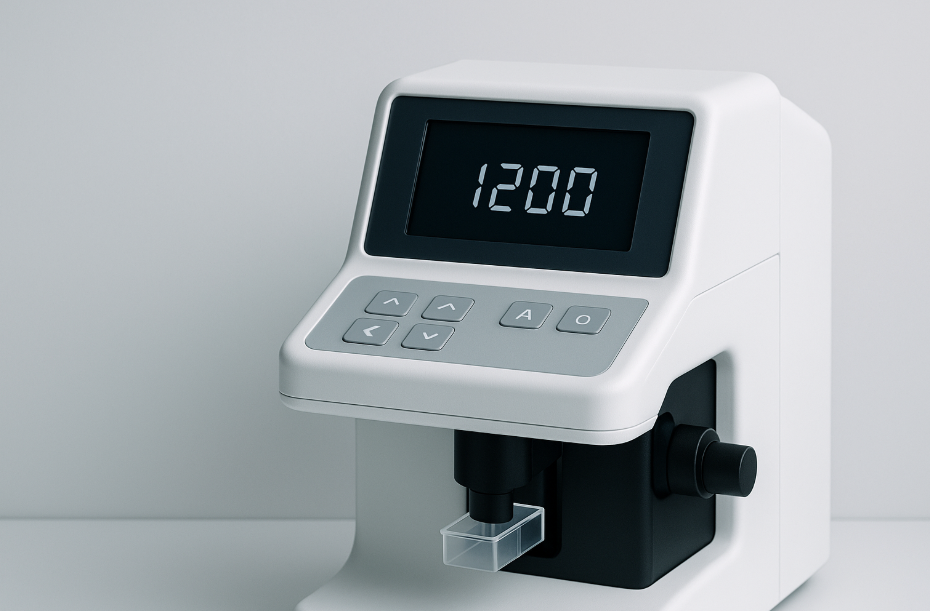
The modern laboratory environment increasingly relies on technological advancements to streamline operations and enhance accuracy. Laboratories face constant pressure to improve efficiency, reduce errors, and manage resources effectively. Advanced technology plays a pivotal role in addressing these challenges, offering solutions that range from sophisticated data management systems to precision instruments. By integrating these technologies, laboratories can achieve unprecedented levels of operational excellence, including the use of automated cell counter systems.
Technology’s impact on laboratory operations
Technology transforms laboratory operations by automating repetitive tasks, reducing human error, and boosting productivity. Automation tools streamline complex processes, ensuring consistency in results and freeing up valuable human resources for more critical analytical tasks. This shift allows laboratories to focus on innovation and deeper analysis rather than mundane tasks.
Specific technological advancements have redefined laboratory workflows. Robotic systems handle sample preparations with precision, eliminating potential errors inherent in manual handling. Additionally, cloud-based data management systems facilitate seamless data integration and access, enabling quick decision-making processes that further enhance laboratory efficiency. These tools collectively contribute to a more streamlined operation where accuracy and speed are paramount.
The integration of digital monitoring systems has revolutionized quality control within laboratory settings. Real-time tracking capabilities allow laboratory personnel to monitor equipment performance, environmental conditions, and process parameters continuously. This constant vigilance ensures that any deviations from optimal conditions are immediately detected and corrected, preventing costly errors and maintaining the integrity of experimental results. Advanced sensors and Internet of Things (IoT) devices create interconnected networks that provide comprehensive oversight of all laboratory activities, generating valuable data that can be analyzed to identify trends and opportunities for further optimization.
Advantages of integrating advanced technology in labs
Integrating advanced technology into laboratories brings numerous benefits that extend beyond mere operational improvements. One of the most significant advantages is the enhanced accuracy in diagnostics. Automated systems ensure consistent quality in testing processes, which is crucial for reliable results. The speed at which these technologies operate also means faster turnaround times for testing and analysis, allowing for timely interventions in critical scenarios.
Another key benefit is cost-effectiveness. By optimizing resources through automation, laboratories can reduce wastage and improve resource allocation. This leads to lower operational costs while maintaining high standards of performance. The initial investment in technology integration often pays off quickly as savings accumulate over time due to increased efficiency and reduced need for manual labor.
Real-world applications of technological success
The successful integration of technology in laboratories is evident through various real-world applications. Laboratories across different fields have reported substantial improvements in outcomes after adopting advanced technologies. For example, institutions utilizing automated sample processing have seen reductions in error rates and improved accuracy in results, leading to better outcomes in clinical settings.
Moreover, testimonials from laboratories highlight the transformative power of these technologies. Laboratory managers often praise the increased capacity for handling larger volumes of tests without compromising quality or speed. Such success stories underscore the tangible benefits that come from embracing technological advancements, proving their value not just theoretically but practically.
Future trends in laboratory technology
The future holds exciting possibilities for further advancements in laboratory technology. Emerging technologies such as artificial intelligence (AI) and machine learning are set to revolutionize how data is analyzed and interpreted. These technologies promise even greater efficiencies by automating complex decision-making processes that traditionally required expert human intervention.
As these technologies evolve, you can expect them to integrate more seamlessly into everyday laboratory practices, pushing the boundaries of what is possible in terms of efficiency and precision. The continuous evolution of technology will undoubtedly lead to new innovations that further optimize laboratory operations, solidifying their role as essential tools for modern scientific inquiry.