
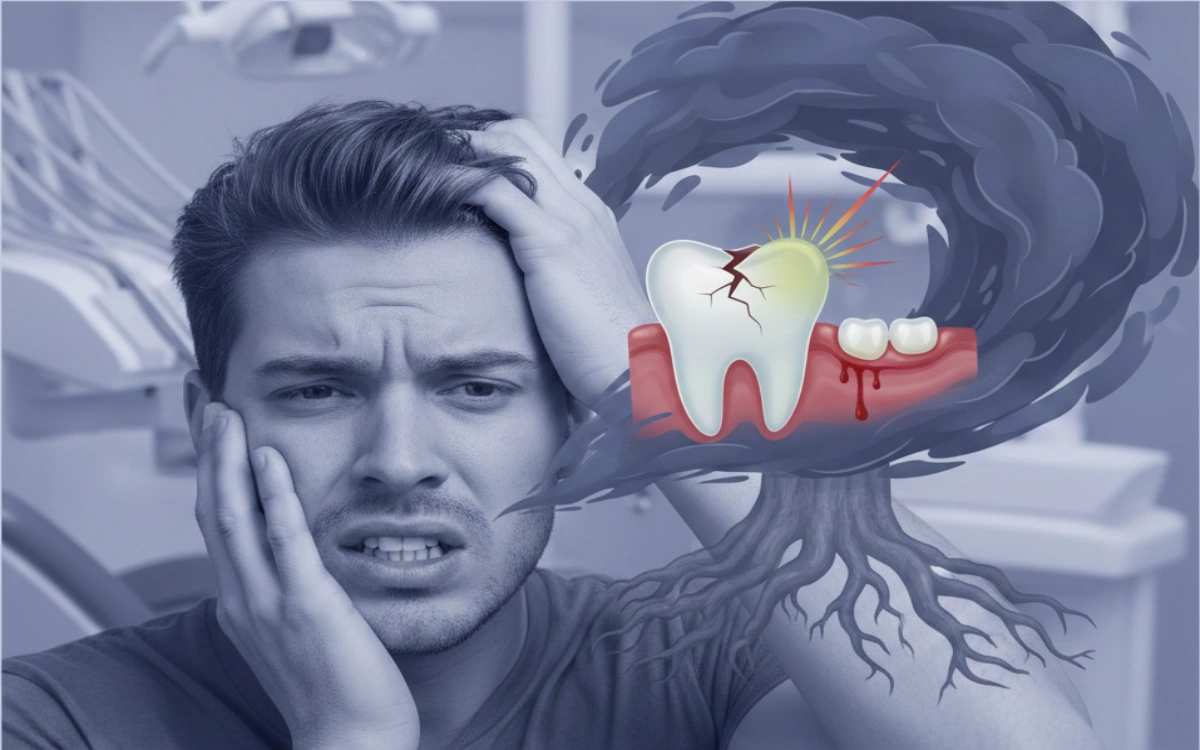
When you’re irritated, where do you show it physically? For most people, aggravation begins visibly in tight jaws, a tense neck, and pulled-back shoulders. All of these movements are part of your fight-or-flight system’s way of preparing you for action by increasing muscle tension, particularly in the neck, jaw, and shoulders, leading to jaw stress.
We’ll dive into the reasons why your dental issues might not be caused by your oral hygiene and how jaw stress plays a major role in your oral health.
The Science Behind Jaw Stress and Teeth Grinding
Chronic stress keeps your jaw muscles in a state of tension, even when you don’t notice it anymore. Stress hormones, like cortisol and adrenaline, surge over time and can show up in quieter ways, including teeth grinding and jaw clenching.
This behavior, called bruxism, can occur during the day (awake) or at night (nocturnal). Studies show that, as of 2024, 21% of the global population dealt with bruxism. Bruxism has multiple factors, including psychological conditions like stress and anxiety. When those stress pathways are activated, and the hormones are not released, the tension shows up as grinding and clenching.
The interconnection between stress and bruxism goes beyond emotional worries. Over time, grinding and clenching can slowly affect your oral health, leading to problems such as chipped or cracked teeth, eroded enamel, and gum disease.
The Effect of Jaw Stress on Your Teeth and Gums
The dangers of stress to our well-being are well-known. From cardiovascular disease to digestive issues, we’ve learned over the past few decades that our psychological wellness can be just as important as our physical care. But what many people don’t know yet is that those emotional cycles of anxiety, depression, and other mental health struggles can also impact oral health, leading to jaw stress that becomes painful and damaging.
Connecting Daily Stress and Jaw Stress
At the surface level, stress may affect how you care for your teeth. If you’re in a hurry, stopping for little things like a full cycle of brushing, followed by flossing and a splash of mouthwash, can seem like unnecessary time-wasters.
But these skipped habits pile up, leading to cavities and gingivitis. And if you didn’t have time for two minutes of oral health steps in the morning, making time for a couple of hours at the dentist for biannual check-ups can be a challenge, too.
Poor habits from stress don’t just cause cavities and gingivitis. They can create a vicious cycle of bruxing. That oral health issue that’s building is now triggering your grinding and clenching, adding more damage to teeth and gums that are already weakening. This result creates jaw stress that turns into temporomandibular joint disorders and may contribute to issues like obstructive sleep apnea and other jaw-related conditions.
As your oral health declines and stress continues, your immune system can’t fight the bacteria now thriving in your mouth. Gingivitis (early gum disease) turns into periodontitis, a chronic condition that, left untreated, often leads to loose gums, bone deterioration, and tooth loss. Tight muscles in the jaw and neck bring headaches, neck and shoulder pain, and poor sleep.
The combined effect adds a new layer of stress on top of what you’re already dealing with, which can multiply your bruxing behaviors.
Spotting Signs of Jaw Stress Early
If you’re concerned that jaw stress might be impacting your oral health, paying attention to early signs is the first step. Your body often provides plenty of warnings that there are problems under the surface; recognizing those signs and putting them together helps you take care of the issue before it worsens. In many cases, it’s as simple as wearing a custom-made night guard to reduce bruxing damage and give your jaw muscles much-needed rest.
The following symptoms are easily overlooked or attributed to various causes, but if you have more than one of them, you may have stress on your jaw that needs to be addressed:
- Morning jaw soreness or headaches
- Tightness in the jaw under the ear
- Earaches with no specific cause (you haven’t been sick lately, there’s no ear infection)
- Worn-down teeth, especially in the molars or incisors
- Hairline cracks in the enamel
- Daytime tiredness, no matter how much sleep you get
- Partner-reported grinding or excessive snoring
Take notice of patterns, such as increased symptoms after a particularly stressful day. Careful observation of what your body is telling you can guide your next steps. (For an in-depth look at stress-related jaw pain, read this article by JS Dental Lab.)
Conclusion
Jaw stress doesn’t seem like a big deal — until you’re dealing with it. Smiling, eating, and talking become painful chores, and good oral health is a thing of the past. The good news is that you may be able to reduce most of your jaw stress with simple techniques such as stress management, night guard use, and improved oral hygiene. Take the first step to soothing those aching jaw muscles today.
Disclaimer
The information provided in this article is for educational and informational purposes only and is not intended as medical or dental advice. Jaw pain, teeth grinding (bruxism), and related symptoms can vary from person to person. If you are experiencing persistent discomfort, dental damage, sleep disturbances, or other concerning symptoms, please consult a licensed dentist, physician, or qualified healthcare professional for a proper diagnosis and personalized treatment plan. Do not delay seeking professional care based on the information presented here.