
For many men facing severe erection problems, doctors often mention Penile Implant surgery as a definitive solution. While this procedure can restore rigidity in selected cases, surgery does not represent the only path forward. Modern medicine now offers several minimally invasive therapies that address the root vascular cause of erectile problems. Men deserve a clear understanding of all available options before choosing a permanent surgical step.
Understanding Erectile Dysfunction
Erectile dysfunction occurs when a man cannot achieve or maintain an erection firm enough for satisfactory sexual performance. Vascular disease, diabetes, hypertension, hormonal imbalance, smoking, and psychological stress commonly contribute to this condition. Since erection depends on healthy blood flow, most cases involve impaired circulation within penile arteries.
Physicians evaluate cardiovascular risk factors, hormone levels, and penile blood flow before recommending any intervention. A proper diagnosis determines which erectile dysfunction treatment options suit an individual patient.
Is Surgery Always Necessary?
Many men assume that surgery becomes inevitable once medications fail. That assumption often leads patients to consider a Penile Implant prematurely. Surgical implants involve placing inflatable or malleable devices inside the penis to create mechanical rigidity. Surgeons usually recommend this option for men who fail conservative therapy or who have severe structural damage.
Although surgery provides high satisfaction rates in carefully selected patients, it carries risks. Infection, mechanical failure, device erosion, and irreversible alteration of natural tissue may occur. Once a surgeon places an implant, natural erectile function rarely returns.
Before moving toward permanent surgery, physicians should explore less invasive solutions that restore natural blood flow.
Minimal Invasive Alternatives That Target the Root Cause
1. Lifestyle Optimization
Doctors must correct underlying risk factors before recommending advanced procedures. Weight reduction, blood sugar control, smoking cessation, and regular exercise significantly improve vascular health. Many men regain functional erections after optimizing metabolic health.
2. Oral Medications
Phosphodiesterase type 5 inhibitors such as sildenafil and tadalafil enhance blood flow by relaxing penile smooth muscle. These medications remain first line treatment for erectile dysfunction. However, some patients experience limited response due to advanced arterial disease.
3. Intracavernosal Injections
Specialized injections deliver medication directly into penile tissue. This approach produces reliable erections in men who do not respond to tablets. Physicians train patients carefully to ensure safe administration.
4. Vacuum Erection Devices
Mechanical vacuum devices draw blood into the penis using negative pressure. A constriction ring maintains rigidity during intercourse. This method avoids surgery and works effectively in selected cases.
5. Low Intensity Shockwave Therapy
Many specialists now offer regenerative therapy using focused acoustic waves. Shockwave therapy stimulates neovascularization, which improves penile blood circulation. Clinical studies show improved erectile function scores in men with vasculogenic erectile dysfunction. This approach answers the common question, what is the latest treatment for erectile dysfunction, because it aims to restore natural physiology instead of replacing it.
6. Penile Angioplasty and Venous Leak Embolization
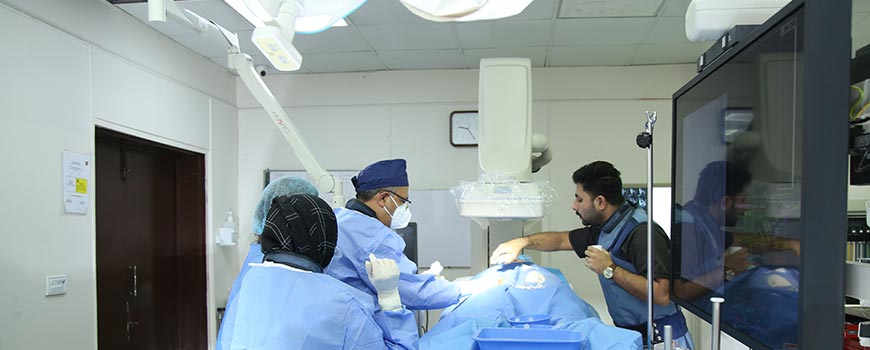
Interventional radiology has transformed vascular treatment. When arterial blockage restricts blood flow, specialists can perform angioplasty to open narrowed vessels. In men with venous leak, doctors can block abnormal veins that allow blood to escape prematurely. These procedures use small catheters inserted through tiny punctures, which reduces recovery time significantly.
These targeted vascular therapies provide meaningful improvement without resorting to a Penile Implant in appropriately selected patients.
When Does Surgery Become Necessary?
Some men suffer from extensive tissue damage, severe diabetes related neuropathy, or advanced fibrosis. In such cases, conservative therapies may not produce sufficient rigidity. Urologists may then recommend a Penile Implant as a definitive solution. Proper patient counseling remains essential before surgery.
Men should understand that implant surgery permanently alters penile tissue. Surgeons cannot reverse the procedure easily. Therefore, physicians must confirm failure of all suitable conservative measures before recommending surgery.
Comparing Outcomes and Expectations
Minimally invasive treatments aim to preserve natural erectile mechanisms. Shockwave therapy and vascular procedures may improve spontaneous erections and enhance response to medication. Recovery time remains short, and complication rates stay lower than major surgery.
A Penile Implant offers predictable rigidity regardless of blood flow status. However, mechanical components require lifelong care. Device malfunction may necessitate revision surgery.
Men should discuss realistic expectations with their treating physician. Individual health status, severity of dysfunction, and personal preference influence final decisions.
Psychological and Relationship Factors
Emotional stress, anxiety, and relationship strain frequently worsen erectile dysfunction. Counseling and behavioral therapy can enhance treatment outcomes. A multidisciplinary approach often yields better long term results than isolated surgical intervention.
Addressing psychological components alongside medical therapy strengthens overall sexual confidence.
Choosing the Right Specialist
Men should consult urologists or interventional radiologists with dedicated expertise in male sexual health. A comprehensive evaluation must include a penile Doppler ultrasound to assess arterial inflow and venous competence. Hormonal screening and metabolic assessment further guide therapy selection.
Physicians who offer a full spectrum of erectile dysfunction treatment options provide balanced guidance. A specialist who only performs surgery may not present regenerative alternatives adequately. Consult an expert like Dr. Imtiaz with 25+ years of experience in interventional radiology.
Dr. Imtiaz Ahmad
Contact: +923311110397
Frequently Asked Questions
1. Can erectile dysfunction improve without surgery?
Yes. Many men improve with medication, shockwave therapy, vascular procedures, or lifestyle modification.
2. How do doctors decide between vascular treatment and implant surgery?
Physicians evaluate penile blood flow through Doppler ultrasound. If correctable arterial blockage or venous leak exists, minimally invasive treatment may succeed.
3. Does implant surgery affect sensation?
The procedure typically preserves sensation and orgasm, but it permanently changes natural erectile tissue.
4. What is the recovery time after vascular procedures?
Most men resume normal activities within a few days, depending on the specific intervention.
Disclaimer:
The information provided in this article, “Penile Implant Is Not The Only Solution – Minimal Invasive Alternative Treatment,” is intended for general educational purposes only and should not be considered medical advice. Individual diagnosis and treatment for erectile dysfunction can vary based on personal health, underlying conditions, and risk factors. Always consult a qualified healthcare professional, such as a urologist or interventional radiologist, before making decisions about any medical procedure, including penile implants, medications, or minimally invasive therapies. The author and publisher are not responsible for any outcomes resulting from reliance on the information presented.
 AdpharmaConsultant