
Pflegehilfsmittel – commonly referred to in English as care aids or nursing aids – are products and devices designed to support people who require assistance in their daily lives. They help maintain independence at home, reduce physical strain on family caregivers, and make everyday care routines safer and more manageable. In Germany, the term covers everything from a simple grab bar in the bathroom to monthly supplies of disposable gloves.
It is important to distinguish Pflegehilfsmittel from medical aids (Hilfsmittel). Medical aids such as hearing devices or prosthetics serve a therapeutic or rehabilitative purpose and are prescribed by a doctor. Care aids, by contrast, are not intended to treat a condition – they are there to make living with one easier. The target groups are broad: seniors who wish to remain in their own homes, people with physical disabilities or chronic illness, and the family members or professional caregivers who support them every day.
The legal foundation for care aids in Germany is §40 of the Social Code Book XI (SGB XI). This paragraph gives every person with a recognised care level – Pflegegrad 1 through 5 – a statutory entitlement to care aids from their nursing care fund (Pflegekasse). This means the right to support is not a favour granted by insurers; it is anchored in law.
What Types of Care Aids Exist?
Care aids fall into two broad categories. Technical care aids are durable products that are used repeatedly over a longer period of time. Consumable care aids are disposable items that are used up regularly in the course of daily care. Both categories are covered under §40 SGB XI, though the rules for reimbursement differ between them.
Bathroom & Toilet Aids
The bathroom is statistically one of the most dangerous rooms in the home for people with mobility limitations. Wet surfaces, confined spaces, and the physical demands of bathing and using the toilet create a combination of risk factors that can be addressed effectively with the right equipment.
Shower stools give people with limited standing ability the option to shower safely in a seated position. They are available in a range of designs, from lightweight folding models to height-adjustable versions with armrests and backrests. Grab bars – whether wall-mounted or fitted with suction cups – provide crucial support when moving in and out of the shower, bathtub, or toilet area, and are considered one of the most impactful and cost-effective interventions in home care. A raised toilet seat increases the height of the toilet by several centimetres, making it significantly easier to sit down and stand up, particularly for people with hip or knee problems. Bath lifts go a step further: they gently lower and raise the user into and out of the bathtub without requiring physical assistance from another person, preserving both safety and dignity.
For anyone looking for a reliable source of certified bathroom and toilet aids, medisanshop offers a well-curated selection covering all of the above product types.
Consumable Care Aids
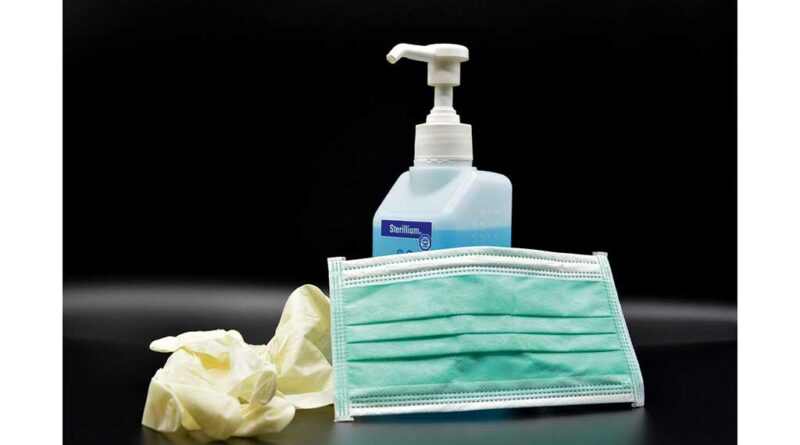
Disposable care products form the backbone of hygienic home care. Disposable gloves – available in latex-free nitrile for those with sensitivities – are essential whenever bodily fluids are involved in care tasks. Disinfectants for hands and surfaces reduce the risk of infections spreading between caregiver and patient. Protective bed pads, both in washable and single-use versions, protect the mattress from moisture and make nighttime care considerably easier.
What makes consumable aids particularly accessible in Germany is the monthly flat rate of €40 provided by the Pflegekasse. Every person with a Pflegegrad is entitled to this amount and can use it to cover the cost of eligible consumable products without needing individual approval for each item. A single application to the Pflegekasse is all that is required to activate this benefit – and it is renewable every month.
Mobility & Everyday Aids
Not all care challenges happen in the bathroom. Many people struggle with tasks that were once unremarkable: walking to the letterbox, picking something up from the floor, or putting on a pair of socks in the morning. Mobility and everyday aids address exactly these difficulties.
A rollator – a wheeled walking frame equipped with a seat, storage bag, and hand brakes – provides stability for people who can still walk but need additional support. It works equally well indoors and on paved outdoor surfaces. Grabbing tools and reaching aids allow users to retrieve objects from the floor or high shelves without bending or stretching in ways that could cause falls. Dressing aids such as stocking donners, long-handled shoe horns, and button hooks restore the ability to dress independently, which for many people is a significant marker of self-sufficiency and personal dignity.
Who Is Entitled to Pflegehilfsmittel?
Entitlement to care aids under German law is tied to the official care level system. Anyone who has been assessed and assigned a Pflegegrad between 1 and 5 by the Medical Service (Medizinischer Dienst) is eligible to apply. The care must primarily take place at home rather than in a residential care facility – this condition applies mainly to technical aids.
It is also worth understanding the difference between full cost coverage and a subsidy. For consumable aids, the Pflegekasse covers costs up to the €40 monthly flat rate. For technical aids on the approved list, the fund typically covers the full cost of the standard model. If a person chooses a premium version, a co-payment may apply for the difference. Products that do not appear on the approved list are generally not covered and must be paid for privately.
Applying for Care Aids – Step by Step
The application process is more straightforward than many people expect. The first step is obtaining a Pflegegrad if one has not already been assessed. This involves submitting an application to the health insurance fund, after which the Medical Service carries out a home visit to evaluate the level of care needed.
Once a care level has been confirmed, the next step is to identify which aids are genuinely needed. It helps to distinguish from the outset between technical aids, which require prior approval from the Pflegekasse, and consumable aids, which only need a one-time application. The formal application itself is submitted in writing to the Pflegekasse, accompanied by the Pflegegrad certificate and, where necessary, a brief explanation of why each aid is required.
The Pflegekasse is legally required to issue a decision within three weeks of receiving the application, or within five weeks if an independent expert opinion is needed. If the application is approved, the aids can be ordered immediately. If it is rejected, applicants have the right to lodge a formal appeal (Widerspruch), which is worth pursuing in many cases.
Costs & Reimbursement at a Glance
The cost landscape for care aids in Germany is structured but navigable. Consumable care aids are reimbursed up to €40 per month – this amount does not carry over if unused, so it makes sense to order regularly from the beginning of each month. Technical aids from the official approved list are either fully covered or reimbursed at a fixed rate, with the user paying any difference for upgraded models. Rental aids such as adjustable hospital beds or anti-decubitus mattresses are typically covered in full by the Pflegekasse. Products outside the approved list, or items considered to be comfort rather than care products, are not eligible for reimbursement.
One practical tip: always clarify reimbursement eligibility before purchasing a technical aid. Buying first and applying afterwards is a common mistake that can lead to the application being rejected on procedural grounds.
The Most Important Care Aids – A Practical Overview
To give a clear picture of what is available and most commonly used, here is a brief overview of the most important care aids across all categories. Rollators are the most widely used mobility aid for home use, combining walking support with a built-in seat and storage. Grab bars remain the single most effective fall prevention measure in the bathroom and are often the first aid people apply for. Raised toilet seats and shower stools are the most requested bathroom aids after grab bars, addressing the specific difficulties many people face with seated transitions. Bath lifts are particularly valued for preserving bathing independence without requiring physical help. Among consumable aids, disposable gloves, bed pads, and disinfectants form the essential triad of hygienic home care. For everyday tasks, dressing aids and reaching tools often make a quiet but profound difference to daily quality of life.
What to Look for When Buying Care Aids Online
Purchasing care aids online has become the preferred option for many families, offering convenience, competitive pricing, and a far wider range of products than most local pharmacies. However, a few key criteria should always be checked before placing an order.
Product quality and certification matter enormously in this category. CE marking and compliance with German and European medical device standards are non-negotiable indicators of safety. Reputable online retailers display this information clearly on every product page. Delivery speed is another important factor – care needs are rarely planned far in advance, so a provider with fast, tracked shipping and a clear delivery timeline is a practical necessity. Expert advice, available by phone or online, is particularly valuable when choosing technical aids like bath lifts or rollators, where the wrong size or model can make a product unusable. Finally, the return policy should be checked carefully. Hygiene products that have been opened are often excluded from standard return rights by law, which makes pre-purchase consultation even more valuable.
Perhaps most importantly from a financial perspective: only purchase from a provider that is a registered Pflegekasse partner (Vertragspartner). This status is what makes reimbursement possible. A shop that is not approved by the nursing care funds cannot process reimbursement claims on your behalf, which means additional administrative burden or potential loss of entitlement.
A Trusted Source for Care Aids
For those seeking a reliable online destination for Pflegehilfsmittel in Germany, medisanshop.de combines a broad product range with specialist expertise, particularly in the area of bathroom and toilet aids. The shop is a registered Pflegekasse partner, offers personal advice by phone and email, and provides fast delivery with a straightforward returns process. Whether the need is for a one-off technical aid or a recurring monthly supply of consumable products, the range covers all common care requirements under one roof.
Frequently Asked Questions
What counts as a Pflegehilfsmittel?
The term covers technical aids used repeatedly over time – such as grab bars, shower stools, raised toilet seats, bath lifts, and rollators – as well as consumable disposable products like gloves, disinfectants, and bed pads. All are regulated under §40 SGB XI and available to anyone with Pflegegrad 1–5.
How do I access the €40 monthly flat rate?
Submit a written application to your Pflegekasse with a copy of your Pflegegrad certificate. Once approved, you can purchase eligible consumable products up to €40 per month and claim reimbursement, or order directly from an approved provider who handles the billing. The flat rate applies every calendar month.
Are bathroom and toilet aids reimbursed by the Pflegekasse?
Yes. Technical bathroom and toilet aids are reimbursable as care aids under §40 SGB XI. The Pflegekasse covers the cost of the standard-approved model in full; an upgrade to a premium version may involve a co-payment. Prior approval must be obtained before purchasing more expensive items such as bath lifts.
Where is the best place to buy Pflegehilfsmittel?
Specialist online retailers that are registered Pflegekasse partners offer the best combination of product range, advice, and reimbursement eligibility. A local pharmacy can be a good starting point for simpler items, but for the full spectrum of care aids, an online specialist tends to offer significantly more choice and better pricing.
Conclusion: Independence Starts with the Right Support
The right Pflegehilfsmittel can fundamentally change the experience of needing care – for the person receiving it and for those providing it. A well-placed grab bar can make the difference between a confident morning routine and a dangerous one. A monthly supply of consumable aids can take significant pressure off family caregivers. And knowing how the reimbursement system works means that financial concerns need not stand in the way of getting the support that is legally owed.
Germany’s nursing care system, for all its complexity, offers genuinely strong statutory support for people living at home with care needs. The entitlement under §40 SGB XI is real, the application process is manageable, and the range of products available today is broader and better than ever. The first step is simply knowing what you are entitled to – and taking it.
Disclaimer
This article is intended for general informational purposes only and does not constitute medical, legal, or financial advice. While every effort has been made to ensure accuracy regarding Pflegehilfsmittel and the regulations under §40 SGB XI, laws, reimbursement policies, and eligibility criteria may change over time or vary based on individual circumstances and health insurance providers.
Readers are advised to consult their Pflegekasse, healthcare provider, or a qualified professional for personalized guidance before making decisions related to care aids, applications, or purchases. References to specific products, services, or providers are for illustrative purposes only and do not represent a guaranteed recommendation or endorsement.
 John
John