
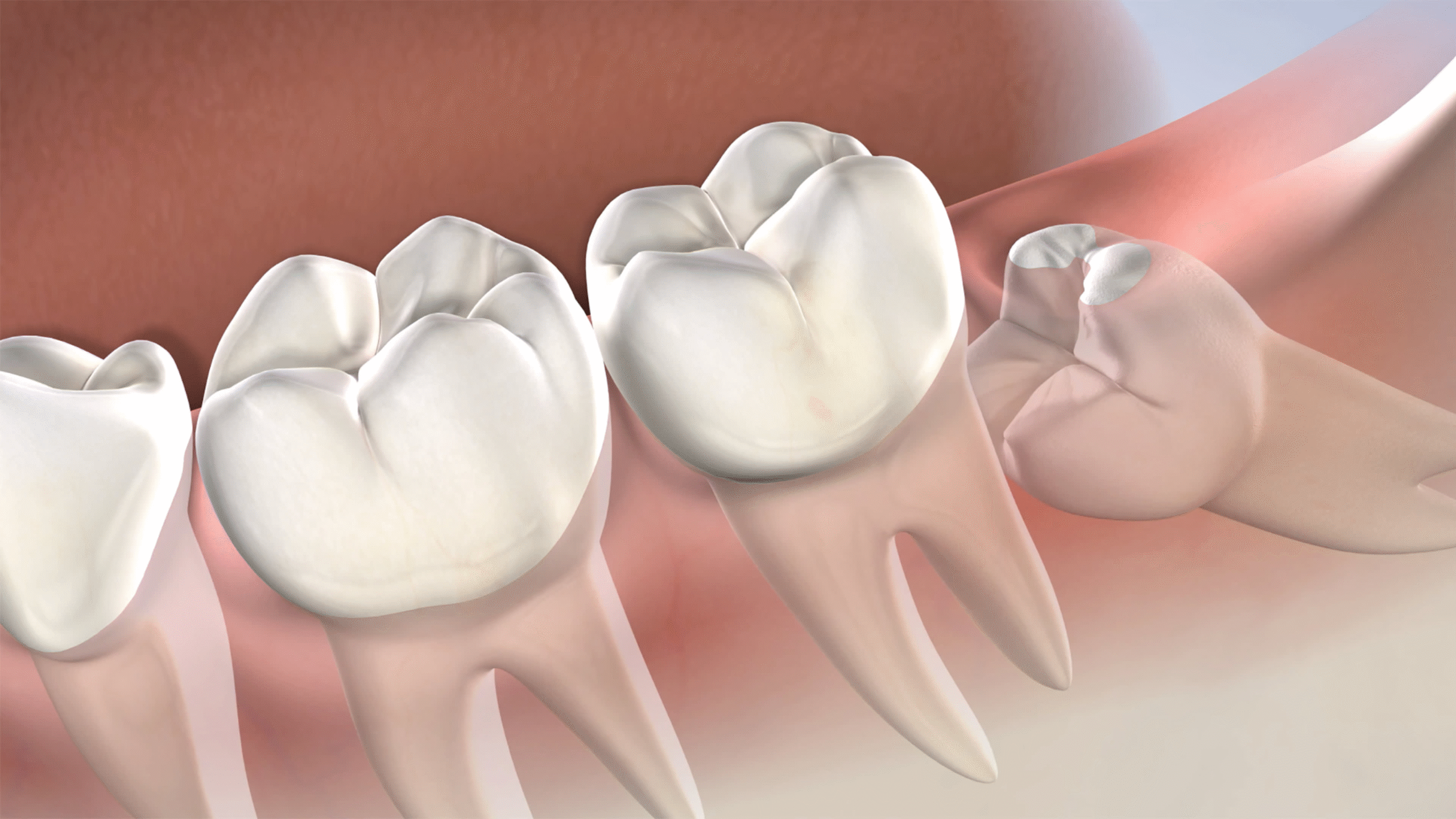
For many young Australians, the arrival of third molars—commonly known as wisdom teeth—is a rite of passage that often comes with a fair share of trepidation. Historically, the prospect of oral surgery conjured images of long recovery times and significant post-operative pain. However, the landscape of dental surgery has undergone a radical transformation. Today, the integration of cutting-edge diagnostic tools and refined surgical techniques has turned what was once a daunting ordeal into a streamlined, predictable, and much safer clinical procedure.
Precision Diagnostics: Beyond the Standard X-Ray
The foundation of a safe extraction lies in what the surgeon can see before the first incision is made. Traditional 2D X-rays provided a flat view, often leaving the exact proximity of the tooth roots to the mandibular nerve a bit of a guessing game. Modern practices now utilise Cone Beam Computed Tomography (CBCT).
This technology generates high-resolution 3D images of the jaw, allowing dentists to map out the dental anatomy with millimetre precision. By understanding the exact spatial relationship between the impaction and vital structures, surgeons can plan an approach that avoids nerve damage and reduces trauma to the surrounding bone. This level of foresight is a primary factor in modern success rates and patient safety.
Minimally Invasive Surgical Techniques
The “brute force” methods of the past have be replace by finesse and high-tech instrumentation. One of the most significant leaps forward is the use of Piezosurgery. Instead of traditional rotating drills, this tool uses ultrasonic vibrations to cut through mineralised tissue (bone) while leaving soft tissues, like gums and nerves, completely unharmed.
Furthermore, many practitioners now use dental lasers to assist in tissue management. Lasers can sterilise the surgical site as they work, reducing the risk of post-operative infection and promoting faster clotting. When these tools are used in tandem, the physical impact on the body is greatly reduced, which plays a massive role in minimising discomfort after wisdom teeth removal. The less trauma inflicted during the chair time, the more manageable the healing process becomes.
Enhanced Sedation and Monitoring
Safety isn’t just about the surgery itself; it’s about the patient’s physiological well-being throughout the process. Modern sedation dentistry has moved far beyond basic local anaesthetics. Today, clinics offer a range of options from “happy gas” (nitrous oxide) to intravenous (IV) sedation, often referred to as sleep dentistry.
Advanced monitoring equipment, similar to what you would find in a hospital theatre, now tracks heart rate, blood pressure, and oxygen saturation in real-time. This ensures that even patients with dental anxiety or complex medical histories can undergo the procedure in a controlled, low-stress environment. Reducing the patient’s stress response is not just about comfort—it actually prevents blood pressure spikes that can lead to increased bleeding during the operation.
Accelerated Healing with Biotechnology
Perhaps the most exciting frontier in modern oral care is the use of the patient’s own biology to speed up recovery. Platelet-Rich Fibrin (PRF) therapy is becoming a standard in high-end Australian clinics. This involves taking a small sample of the patient’s blood, spinning it in a centrifuge to concentrate growth factors, and placing it directly into the extraction socket.
This “super-clot” acts as a scaffold for new tissue growth, significantly lowering the incidence of “dry socket”. A common and painful complication where the blood clot fails to develop or is dislodge. By harnessing these natural healing accelerators, the body can seal the wound much faster than it could on its own, allowing patients to return to their normal routines within days rather than weeks.
The Role of Post-Operative Nutrition
While technology does the heavy lifting in the dental chair, the safety and success of the recovery phase depend heavily on what happens at home. Modern aftercare protocols now place a heavy emphasis on systemic health. We now understand that the inflammatory response can be modulated through diet.Maintaining a clean surgical site is paramount, but nourishing the body with the right vitamins and minerals ensures that the jawbone and gum tissue have the building blocks they need to regenerate. Evidence suggests that certain foods can significantly improve your oral health by strengthening the enamel of remaining teeth and supporting the immune system during the critical first week of healing. By combining state-of-the-art surgical intervention with a proactive approach to nutrition, the modern wisdom tooth extraction has evolved into a highly safe, efficient, and manageable journey for the contemporary patient.
 John
John