
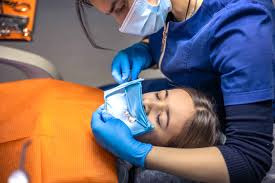
Dental anxiety remains a significant hurdle for millions of people across Australia, often causing individuals to defer necessary oral healthcare until severe pain or complex medical complications arise. The anticipation of discomfort, coupled with past negative experiences, creates a psychological barrier that can compromise long-term oral well-being. Fortunately, the landscape of modern oral healthcare has shifted dramatically toward absolute patient centricity. By combining advanced pharmacological management with state-of-the-art physiological monitoring systems, contemporary practices are completely redefining the traditional clinical experience. These innovative, comfort-first approaches ensure that patients who previously experienced intense fear, severe needle phobias, or a hyperactive gag reflex can now undergo complex treatments in an environment of complete tranquility and psychological safety.
The Evolution of Sedation in Modern Practice
The historical perception of visiting the dentist often involved high-stress environments, piercing auditory triggers, and the uncomfortable anticipation of pain. Today, the integration of targeted pharmacological solutions has paved the way for advanced sedation techniques that cater specifically to individual patient thresholds. Sleep dentistry encompasses a sophisticated spectrum of techniques ranging from mild oral conscious sedation to deep intravenous (IV) sedation and general anaesthesia. This tiered approach allows clinicians to customise the level of relaxation required based on the severity of the patient’s phobia and the invasiveness of the scheduled treatment.
Rather than relying solely on traditional local numbing agents, modern dental clinics now use sleep dentistry to ease fear during longer oral procedures to ensure optimal comfort, clinical precision, and time efficiency. This specialized method allows practitioners to perform multiple or highly complex treatments—such as full-mouth reconstructions, multiple wisdom teeth extractions, or extensive dental implant placements—in a single, consolidated clinical session. By mitigating physical exhaustion and cognitive distress, this rapidly evolving field changes how Australians view major healthcare interventions, turning what used to be an ordeal into a seamless, stress-free experience.
Advanced Monitoring and Safety Systems
Patient safety forms the absolute foundation of modern sedation dentistry innovations. Today’s clinical spaces are equip with highly sophisticate, medical-grade monitoring technologies that closely mirror hospital intensive care setups. Continuous capnography, pulse oximetry, automated blood pressure cuffs, and electrocardiogram (ECG) readouts provide real-time updates on a patient’s vital signs throughout the entire process.
These precise diagnostics allow a dedicated dental anaesthetist or a highly trained clinician to track respiration depths, heart rhythms, and blood oxygenation levels second by second. This rigorous safety standard minimises the risks traditionally associated with deeper pharmacological states, providing complete peace of mind to anxious individuals. The constant presence of digital safety systems ensures that any physiological fluctuation is immediately notice and manage, making sleep dentistry one of the safest modalities in modern outpatient healthcare.
Customised Pharmacological Protocols
Every individual possesses a unique physiological make-up and varying levels of psychological stress. Because of this, modern sleep dentistry completely avoids one-size-fits-all sedation methods. Instead, clinicians utilise highly accurate target-controlled infusion (TCI) pumps to deliver specific intravenous sedative agents.
TCI systems rely on complex mathematical algorithms that calculate the precise dosage required to maintain a consistent state of relaxation based on the patient’s body mass, age, gender, and metabolic rate. This tailore delivery ensures a smooth entry into sedation and a rapid, clear-headed recovery immediately after the procedure is finalise. Furthermore, patients frequently experience a beneficial anterograde amnesia effect. This means they retain virtually no memory of the noises, sensations, or duration of the clinical treatment, effectively breaking the psychological cycle of dental trauma.
Minimally Invasive Delivery and Ergonomics
The innovation behind comfort-first dentistry extends far beyond the sedative medications themselves to include the physical equipment used within the surgery room. Traditional needles, which frequently act as a primary trigger for severe dental phobias, are increasingly being replace by advance computer-controlled local anaesthetic delivery systems. These devices administer numbing agents at a slow, regulate physiological pressure that matches tissue resistance, rendering the initial injection virtually imperceptible to the patient.
Furthermore, ergonomic dental chairs equipped with pressure-mapping memory foam and built-in acoustic dampening systems further assist in lowering physiological stress markers like elevated heart rates and muscle tension. By neutralising ambient sound frequencies and maintaining optimal physical support, the clinical environment is transformed into a serene, therapeutic space optimized for deep patient relaxation.
The Role of Technology in Enhancing Care
The integration of advanced sedation techniques works hand-in-hand with a broader technological movement within the dental industry. When patients are comfortably sedated and perfectly still, clinicians can fully leverage high-speed diagnostic tools like 3D intraoral scanners and cone-beam computed tomography (CBCT) to execute intricate therapies with extreme accuracy. This seamless combination highlights the true value of digital dentistry in improving overall clinical workflows, reducing chair time, and elevating the standard of treatment outcomes. By successfully combining psychological comfort with digital accuracy, modern practices are removing dental phobia from the equation and opening the doors to optimal oral health for all Australians.
 AdpharmaConsultant